
New Report Analyses the State of Gig Work in Alberta
A new report was released by the Calgary Social Policy Collaborative (SPC) addressing gaps in research and summarizing how people are engaging in gig work in Alberta.
- Policy and research
Wed Dec 10, 2025 by Momentum Staff

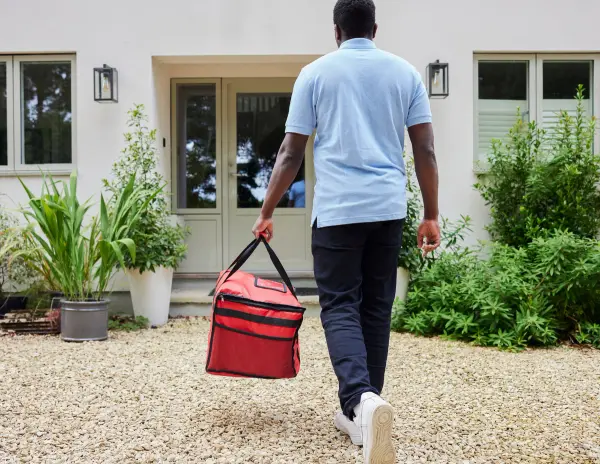
A new report was released from the Calgary Social Policy Collaborative (SPC) summarizing how people are engaging in gig work in Alberta. Gig work refers to on-demand, task-based work performed by independent contractors – jobs like food delivery, rideshare, cleaning, tutoring, caregiving, and some freelance work. This report was created in partnership with Dr. Andrew McGee of the University of Alberta and provides greater insights into Alberta’s gig economy.
Because gig workers aren’t considered employees, they don’t have access to employment supports or benefits. Unfortunately, policy has not kept up with the ways in which gig work has evolved and grown.
This new research found that 6% of Alberta’s workforce is engaged in gig work. Gig work offers flexibility, low barriers to entry, and a way to quickly earn some income. However, there are many risks. Gig work is precarious and income is unstable. Nationally, 29% of gig workers earn below minimum wage. The workers we heard from shared how gig work is done out of necessity. Workers shared concerns about safety, exploitation, and low pay.
“Even if I’m doing 8-10 hours of deliveries, it is not enough to even pay your bills, the basic things.” – Food Delivery Driver
“The major challenge is consistency for hours. And the cost of living is high, so clients are stretching what was a weekly clean, is now bi-weekly meaning less work is available for me.” – Gig work Cleaner
Legislation must improve to support gig workers in Alberta. This research outlines key recommendations for all orders of government, online gig work platforms, and community organizations. They include:
- Enhance employment standards and wage protections
- Improve access to benefits and social assistance
- Strengthen worker education, advocacy and safety
The full report can be accessed here, and Dr. McGee’s full findings and report can be accessed here.